

Research is a core function of the POGA. Working collaboratively with other partners and research organizations, POGA seeks to leverage research investment dollars to increase profitability of oat production for Prairie growers.
Through 2025, POGA has turned $6.6 M of producer dollars into $49.2 M for research and market development. This means producers are spending less than $0.14 on each dollar invested!
NOTICE TO RESEARCH ORGANIZATIONS: The POGA Board allows up to 15% overhead to be included on all research projects.
National Oat Research Strategy 2025–2030
Prepared with the support of the Government of Saskatchewan, Industry Organization Development Fund, Agriculture and Agri-Food Canada, and The Prairie Oat Growers Association.
SUMMARY
Oats are a vital part of the Canadian cropping rotation. Canada is the largest exporter of oats in the world and has a premier reputation for quality production. This success is underpinned by good research, so a National Research Strategy for Oats has been developed with all parts of the value chain involved.
FULL PROJECT LISTING
For a full list of projects that are ongoing/completed, please see the Annual Reports under the respective provincial commissions.
POGA Research Projects
Select the options below to filter research projects:
No category.
Research Topic: Intercropping/Other / Popular
- Project Status: Completed
-
Principal Investigators:
Dr. Aaron Beattie, CDC
Dr. Allan Feurtado, NRC - Project Dates: April 2022 – March 2025
- Abstract/Summary: This project will evaluate root system architecture in oat cultivars which vary in lodging resistance. It will evaluate stem and root lodging in field trials; assess impact of seeding rate on key stem and root lodging-related traits; assess the correlation between various root phenotyping methods; and compare root system architecture between Canadian oat germplasm and a diverse set of oat germplasm. Lodging and mechanical failure of the stem or root system is a significant issue for oats, leading to yield reductions for producers. Identifying root and stem traits important for lodging resistance will lead to enhancements in breeding cultivars with high standability. This project is co-funded by the Saskatchewan Agriculture Development Fund (ADF).
Research Topic: Variety/Trials / Popular
- Project Status: Completed
- Principal Investigators: Brianne McInnes at the Northeast Agriculture Research Foundation (NARF) and Chris Holzapfel at Indian Head Agricultural Research (IHARF)
- Project Dates: April 2022 – February 2023
- Abstract/Summary: This project will look at the responses of different oat milling varieties to applications ofthe registered plant growth regulators (PGRs) Moddus and Manipulator. Through previous research, both products have been found to decrease plant height, which diminishes the risk of lodging in cereal crops. Lodging has the potential to cause yield losses of 7-35% in cereal crops and can subsequently lead to significant reductions in grain quality. Plant height in oats is often increased with enhanced fertility as more available N results in more rapid plant growth. It is suspected that different varieties will respond differently to PGR applications as a result of different genetics for yield, lodging, and height characteristics.
Research Topic: Variety/Trials / Popular
- Project Status: Completed
- Principal Investigators: Mike Hall, through AgriARM (Applied Research Management)
- Project Dates: April 2021 – February 2022
- Abstract/Summary: Many oat millers will no longer accept oats treated with pre-harvest glyphosate. Losing this harvest management tool forces many producers to leave oats standing in the field longer, creating a greater risk of poorer grain quality and higher harvest lost.The objective of this project is to help producers select milling oat varieties that are more likely to maintain yield and grain quality when harvested late. Lodging, shatter loss, grain quality and yield between six commonly grown milling oats will be compared between ideal and late harvest timings. This project is funded by the Saskatchewan Agriculture Demonstration of Practices and Technologies (ADOPT) program.
Research Topic: Oat Breeding / Popular
- Project Status: Completed
- Principal Investigators: Dr. Kirby Nilsen, AAFC Brandon Research Centre
- Project Dates: April 2018 –March 2023
- Abstract/Summary: Developing milling quality oat cultivars suitable for organic production in western Canada, and potentially across Canada. Dr. Nilsen will evaluate and identify germplasm with high levels of genetically conferred disease resistance, and develop oat cultivars with durable resistance, especially to oat rusts, with acceptable milling qualitysuitable for organically managed production systems in western Canada, and for the ever-increasing organic markets.

Research Topic: Oat Breeding / Popular
- Project Status: In Progress
- Principal Investigators: Jim Dyck, Oat Advantage
- Project Dates: August 2021 – July 2026
- Abstract/Summary: This private breeding facility has supplied five new oat varieties for the Prairie provinces which contribute to over 200,000 oat acres. This research project is targeting a 10% higher bushel weight, low hull content, high protein, harvest durability, and ultimately high yielding and valued oat varieties. Heavy oats are a focus for Oat Advantage, as the improvement on weight is expected to yield benefits in transportation and storage.
Research Topic: Intercropping/Other / Popular
- Project Status: In Progress
- Principal Investigators: Dr. Peiqiang Yu, University of Saskatchewan
- Project Dates: April 2016 – August 2024
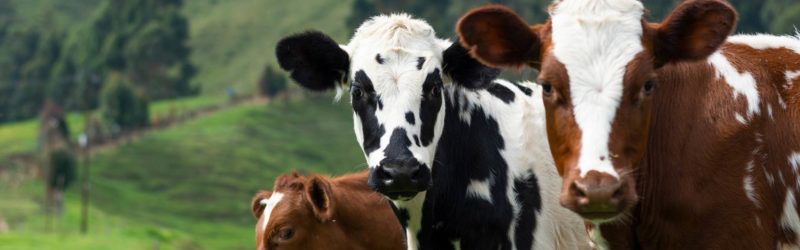
- Abstract/Summary: This project aims to increase and enhance basic knowledge of the optimal nutrient supply to dairy cattle through variety selection, feed processing, and optimal feed ingredient blending. Objectives within this project include: finding the best oat variety or type of oat grain with the highest Feed Milk Value (FMV) for dairy cattle; improving the FMV of oats through processing applications; and finding the maximum or optimum level of oats to replace barley in high production lactation dairy cow diets. Among other things, this project will carry out a detailed metabolic study in dairy cattle to understand the effects of feed processing on rumen fermentation, degradation kinetics, intestinal digestion, and truly absorbed nutrient supply from Prairie oat grains to dairy cattle using various techniques.
Research Topic: Fertility/Climate/Environment / Popular
- Project Status: Completed
- Principal Investigators: Dr. Elwin Smith and Dr. Danny LeRoy
- Project Dates: April 2018 – October 2022
- Abstract/Summary: While some short rotations are currently profitable, the lack of diversification in a cropping system can be detrimental to maintaining crop yield and profitability. This study will look at determining the net return and the variability of net return, associated with cropping systems of different rotation length and diversity of crops. This project has now been completed.
Research Topic: Fertility/Climate/Environment / Popular
- Project Status: Completed
- Principal Investigators: Dr. Kate Congreves at the University of Saskatchewan
- Project Dates: January 2021 – December 2024
- Abstract/Summary: There is no direct annual data on net carbon footprints of Saskatchewan cropping systems. This project will address this gap by providing spatially and temporally integrated data on greenhouse gas (GHG; N2O and CO2) emissions at the field scale level. This information will be used to determine net ecosystem exchange and the net carbon footprint of the cropping system.
Research Topic: Nutrition/Product Creation / Popular
- Project Status: Completed
- Principal Investigators: Dr. Sijo Joseph, AAFC
- Project Dates: August 2020 – March 2023
- Abstract/Summary: The objective of this project is to provide scientific evidence of the specific health attributes of oat protein in reducing abnormal levels of cholesterol and glucose, and thereby generate preliminary data for an oat protein health claim petition. Ultimately, the Canadian oat industry could capitalize on new opportunities for marketing efforts with new evidence promoting the health benefits of adding oats in a diet. This information will enable the Canadian oat industry to meet consumer expectations in search of value-added oat products both at home and worldwide.
Research Topic: Nutrition/Product Creation / Popular
- Project Status: Completed
- Principal Investigators: Dr. Yongfeng Ai, University of Saskatchewan
- Project Dates: January 2019 – February 2023
-
Abstract/Summary:
This project addressed two interlinked but distinct research gaps:
1) investigate the effects of milling/processing of pulse and cereal flours on their physicochemical functionality in foods.
2) determine the impact of milling on nutritional benefits of pulses and cereals with a focus on postprandial glycemia and insulinemia.
The first priority will generate the new knowledge and technologies needed in the food industry to produce high-quality food ingredients with functional versatility, and the latter will support future health claims to promote the consumption of heathy pulse and cereal products.
Research Topic: Intercropping/Other / Popular
- Project Status: Completed
- Principal Investigators: Dr. Kui Liu with AAFC
- Project Dates: April 2021 – March 2024
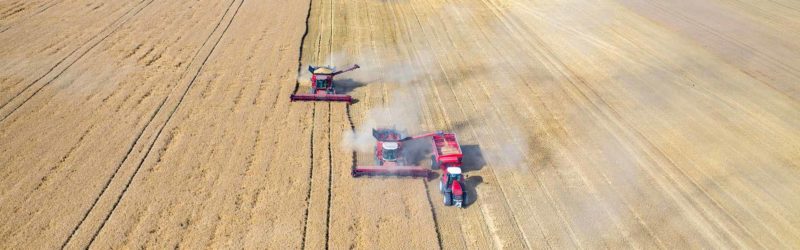
- Abstract/Summary: Intercropping pea with oat or canola enhances biodiversity and likely increases resource (e.g. nitrogen, water, and phosphorus) use efficiency. The improved quality and quantity of straw from the intercrops likely affect straw decomposition, soil carbon and N dynamics, and soil health. In this study, the effects of intercropping on soil particulate organic matter carbon and N will be determined. This study will be conducted at three sites in Saskatchewan. This project is co-funded with ADF and will be completed in 2024.
Research Topic: Fertility/Climate/Environment / Popular
- Project Status: Completed
- Principal Investigators: Dr. Fran Walley, University of Saskatchewan, Richard E. Farrell(co-PI)
- Project Dates: January 2020 – June 2023
- Abstract/Summary: The goal is to develop new estimates for crop nutrient uptake and removal, as the current information regarding crop nutrient uptake and removal does not reflect current crop yields, and the grain and straw nutrient concentration estimates are not adequately reflective of current varieties. Also, there is no consistent data regarding micronutrient uptake and removal. This project is co-funded by ADF.